4: Dress Code
Ballroom Dancing
A Beginner's Guide
Part 4
What to Expect from this Series
What to Expect from this Series
Have you ever wanted to try ballroom dancing but needed to know where to start?
Well, this is the place to begin if you want to learn. This series of articles is your gateway to the joy of partner dance! We explore, from a newcomer's eyes, that wonderful world of movement, partnership, and music. We aim to give you a good foundation of knowledge to start your dance journey and experience the sheer delight of ballroom dancing.
The number of dance styles in ballroom dancing can be confounding, not to mention the confusing terminology or how to make sense of it all. This series will clarify things for you and answer (we hope) most of your questions. We should note that this series is for those wanting to social dance—and perhaps eventually compete even—it is not geared towards one-time learning like those wishing to do a choreographed dance at their wedding, for example.
Delve into the mesmerizing world of ballroom dancing with this comprehensive series of articles designed to guide beginners through the exhilarating realm of partner dancing. From decoding the intricate dance styles and terminology to unraveling the nuances of selecting the perfect dance shoes, these articles provide a detailed and immersive introduction to the captivating art of ballroom dancing. As you master each dance style, you'll feel a sense of accomplishment that will keep you motivated, whether your interest lies in social dancing or you aspire to compete professionally.
This article explores the basics of what to wear to a ballroom social or a lesson. Understanding what clothes and shoes to wear lessens the stress of your first encounters with ballroom dancing.
Typically, ballroom dancers wear lightweight, loose, and flexible clothes that "move" beautifully. While garment colors can span the gamut from conservative to outright loud, there seems to be a bias towards black or dark garments. And generally, "Function before form" is the order of the day.
While there are established norms based on the studio or dance style, personal preferences play a significant role in choosing ballroom attire. Some studios may be more formal, requiring teachers to wear a shirt and tie, while others are more relaxed. Students, on the other hand, have the freedom to express their individual style, ranging from formal wear to casual sportswear.
Competitive ballroom dancing often influences the attire worn during training. Perhaps this is why dancers who compete usually opt for black or dark colors, mirroring the costumes typically worn by Leads in competitions. This choice also reflects the formal atmosphere of competitive ballroom dancing.
The following sections present a general overview of what to wear, starting with clothes and a brief discussion of shoes (which we explore in-depth later in this series).
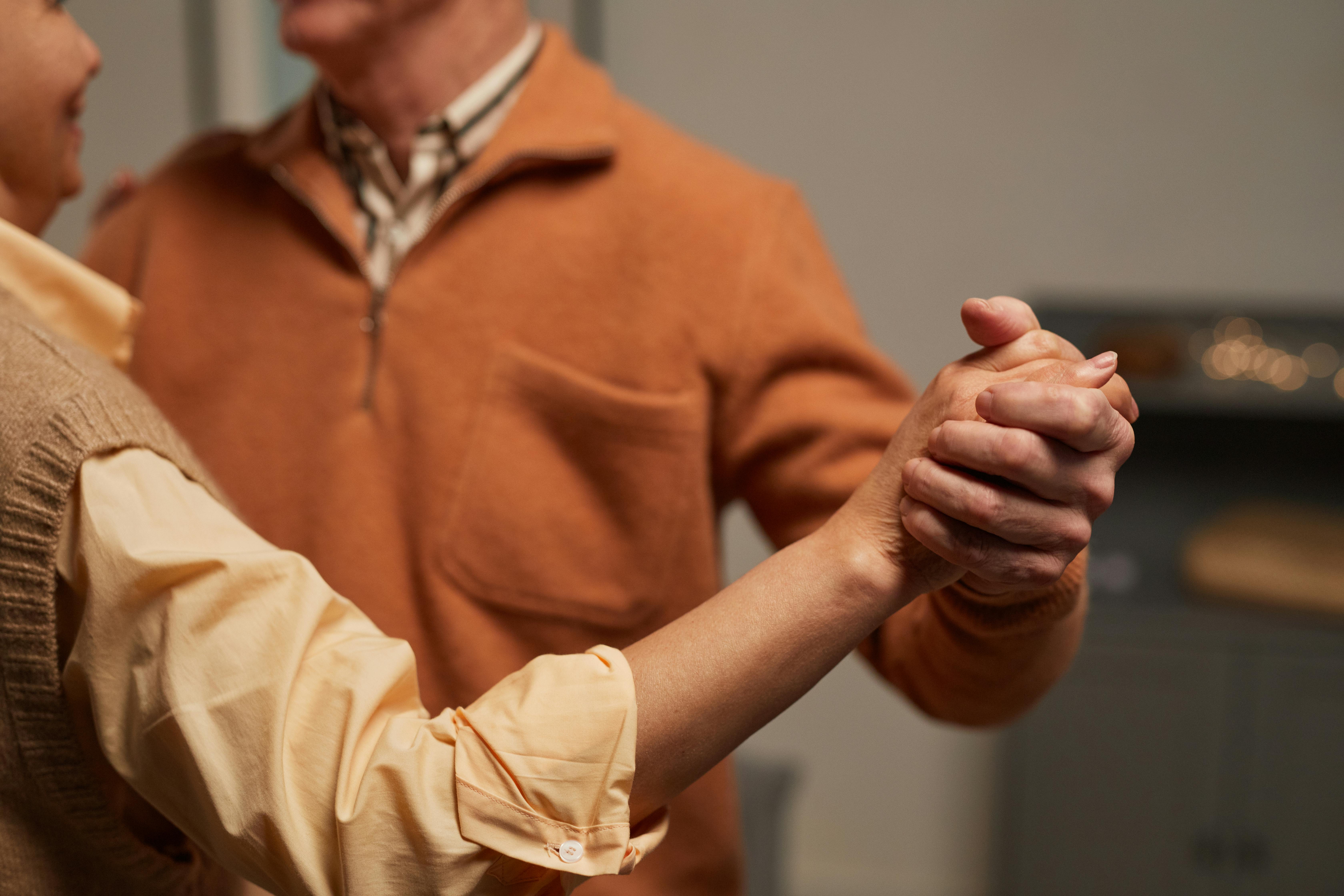
Beginner's Guide: Dress Code
What to Wear when Ballroom Dancing
What to Wear
What to Wear
Clothing
Generally, you will see three garments in ballroom dancing: pants, shirts or blouses, and skirts or dresses. You can extend the choices or selections to business, evening, and formal wear (tuxedoes, tail-suits, gowns, and cocktail dresses) for formal socials and evening events at competitions.
Regardless of your style, the key is to choose well-fitting garments, preferably loose and light. This ensures you can move freely and comfortably while dancing.
When it comes to everyday dancing attire, comfort is critical. Opt for long sleeves and loose, light clothing that allows easy movement, especially if you sweat. This advice applies to men's and women's wear, ensuring you feel at ease and confident on the dance floor.
For those who prefer to dance in skirts, choosing loose skirts is crucial. This allows for comfortable movement without being too short or tight, ensuring you can dance with ease and confidence.
Here are a few thoughts on the choices of garments.
Pants
When selecting dance pants, long pants are usually recommended, although some dancers may prefer shorts in warmer temperatures. Pants with hems that don't touch the floor are also a good idea to prevent them from fraying quickly and to avoid accidentally stepping on the hem.
Note that overly baggy pants (at the hem) will get in the way of your partner and may quickly become a tripping hazard. This is especially true when dancing traveling dances like the Waltz, Viennese, or Quickstep.
Shirts/Blouses
There are three things we would point out about shirts or blouses.
First, long sleeves are a welcome politeness if you sweat profusely. It is not uncommon to see an extra shirt or blouse in dancers' bags to change to after the evening.
Second, long sleeves minimize encounters with malodorous or prickly underarms. It's a biological reality that some types of sweat infused with undesirable odors may stick to your skin for the duration of the evening.
Third, wear garments that will stay out of the way of your dancing. Dress shirts (tailored) are notable exceptions to this. But be aware of blouses with loose fabric that might get tangled during a spin (for example) and torn. Include fragile fabrics in this list that you should not wear if you expect an evening of vigorous dancing with lots of movements or spins (like salsa or East Coast swing).
Skirts/Dresses
Like the other garments, a good, loose fit and light fabrics are the day's orders when choosing a skirt or dress for dancing. Some Latin dancers prefer tight-fitting clothes, but that is infrequent, from our personal observation. The other key thing to recognize is that long skirts (past mid-calf) can touch the floor, get stepped on, get in the way of your partner, and become a tripping hazard. So you can choose a skirt that is appropriate to your level of dancing.
Depending on personal preferences, dancers who wear skirts opt to wear "modesty shorts," particularly with those dresses that float and are more revealing. These shorts can be athletic "compression" shorts.
Shoes
In serious ballroom dancing venues, it's common to see dancers wearing dance shoes, especially among experienced ones. Street shoes are also worn, particularly by beginners, but it's not recommended to wear rubber-soled shoes during dancing as this can lead to ankle or knee injuries. For a more comfortable experience, it's best to invest in a pair of dance shoes.
We cover dance shoes in more detail later in this series.
Dress Code at Competitions
If you're attending a dance competition as a spectator, you must know the dress code. Inquire about it from the organizers or other attendees. Generally, evening competitions have a more formal dress code than daytime events. This is also reflected in the attire of the judges and spectators. Being well-informed about the dress code will help you dress accordingly based on the event's schedule and formality.
Conclusion
Choosing clothing for a dance lesson or ballroom event can be daunting, but this article is here to help. It aims to provide insight and simplify selecting the proper attire for such occasions so you can feel confident and comfortable on the dance floor.