3: Where to Learn
Ballroom Dancing
A Beginner's Guide
Part 3
What to Expect from this Series
What to Expect from this Series
Have you ever wanted to try ballroom dancing but needed to know where to start?
Well, this is the place to begin if you want to learn. This series of articles is your gateway to the joy of partner dance! We explore, from a newcomer's eyes, that wonderful world of movement, partnership, and music. We aim to give you a good foundation of knowledge to start your dance journey and experience the sheer delight of ballroom dancing.
The number of dance styles in ballroom dancing can be confounding, not to mention the confusing terminology or how to make sense of it all. This series will clarify things for you and answer (we hope) most of your questions. We should note that this series is for those wanting to social dance—and perhaps eventually compete even—it is not geared towards one-time learning like those wishing to do a choreographed dance at their wedding, for example.
Delve into the mesmerizing world of ballroom dancing with this comprehensive series of articles designed to guide beginners through the exhilarating realm of partner dancing. From decoding the intricate dance styles and terminology to unraveling the nuances of selecting the perfect dance shoes, these articles provide a detailed and immersive introduction to the captivating art of ballroom dancing. As you master each dance style, you'll feel a sense of accomplishment that will keep you motivated, whether your interest lies in social dancing or you aspire to compete professionally.
Part 2 of a Series for Beginning Ballroom Dancers
Part 2 of a Series for Beginning Ballroom Dancers
When learning ballroom dancing, it's best to first decide on a dance style you'll enjoy. Consider the music you like and match it with a dance style. For instance, if you like Strauss, you might enjoy the slower tempo of the Waltz (also known as the English Waltz) and the Viennese Waltz, its faster and livelier cousin. If you enjoy Salsa or Mambo music, you might find it more engaging to learn the corresponding dances.
Once you've identified the kind of music and dance you want to learn, the next step is to find a suitable place to learn. In this article, we'll explore the different types of places where you can learn and the advantages or benefits of each.
Here are the three main ways for beginners to learn ballroom dance: finding a dance studio, attending a dance social, or seeking a private instructor. Whichever option you choose, contacting the studio or instructor is an excellent idea to learn more about what they offer.
Before we dive in, let's address a common question from beginners. No, you don't need a partner to learn ballroom dance. If you're going solo, don't worry! Most places don't require you to have a dance partner. In group classes, you'll be paired with other students. In private lessons, the teacher will act as your partner.
Now, let's explore the three options for learning ballroom dance.
1 DANCE STUDIOS
1 DANCE STUDIOS
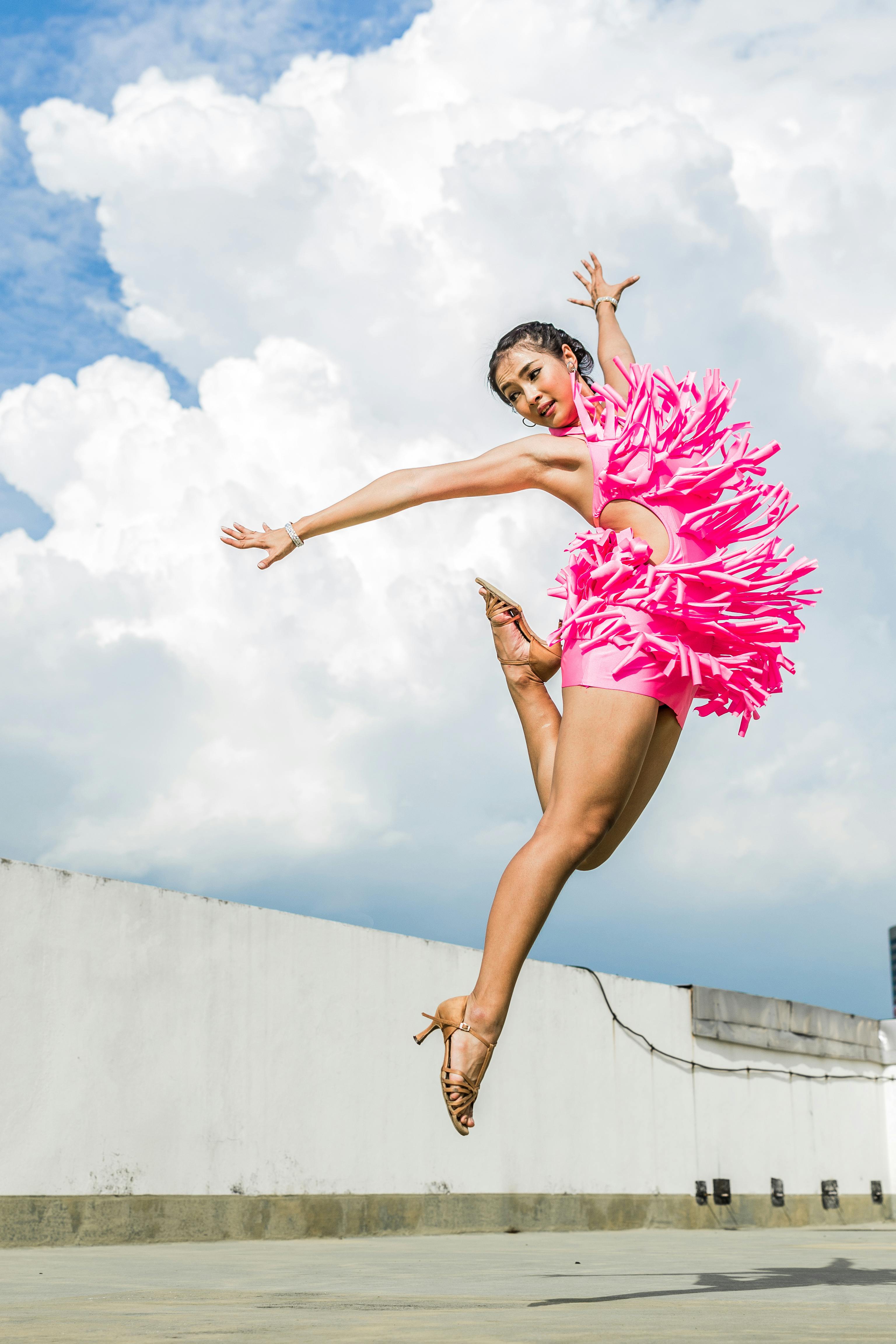
Dance studios are many and varied. Like any service company, what one offers might be different from what others provide. So you have to do some research. There are three general types of dance studios. There is the chain, the independent, and the training studio.
THE CHAIN STUDIO
There is a small number of franchises, notably Fred Astaire and Arthur Murray, that offer dance lessons. Most provide a pleasant atmosphere, camaraderie with other learning dancers, and a standardized training syllabus. The down-side? They tend to be pricey, and you will often get offered (i.e., upsold) to sign up for more classes—specifically long-term contracts that give you a good package discount. This is to be expected since studios are businesses, after all.
The best approach is to sign up for a few "group" classes before signing up for packages or engaging in private lessons. Group classes are held regularly, and each course may vary among studios. The primary focus is on learning a series of dance steps. There is little or no individual attention nor emphasis on technique. These are cheaper and easier to join or decline.
Private lessons are individualized training sessions. In a franchise studio, this is usually led by an employee. An instructor teaches you one-on-one. The instruction can cater to your needs and schedule. Pricing will depend on the instructor's experience. Downside: this method can be pricey. If you go this route, try not to engage a new instructor (aka the "six-week" wonder) to save money. Find someone in the mid-range in terms of experience and price.
A beginning instructor will not necessarily know how to train you well. On the other hand, a high-end teacher might introduce concepts that are far too advanced to be of use at this stage in your development. A mid-level teacher, however, will have enough experience to adjust to your learning style and dance level, which are essential things so you can handle the process. Also, importantly, they would know enough to teach you the correct technique so you do not pick up bad movement—which can be difficult to correct later.
THE INDEPENDENT STUDIO
Similar to the franchise dance studio is the Independent Dance Studio. This establishment has no connection to national franchises and is usually run by a former competitive dancer. They typically offer the same services as a franchise, but there is less structure to the learning process. They usually only offer group lessons (taught as a series of classes) or private lessons and little by way of long-term contracts. The studio is typically employed as the place where the owner/instructor provides private lessons as opposed to renting floor time at another venue.
THE TRAINING STUDIO
The last type is rare because it is a specialty studio—you might have difficulty finding one in your area. This is usually an independent studio that focuses on training dancers for competition—officially known as DanceSport. The focus of this studio is on long-term learning and heavy technical training. Some may offer social group classes—often as a way to supplement the studio's income—but the clientele of most are dancers who have goals to compete and become champion dancers. Others, not as numerous, may have more modest goals like passing a medal exam or a certification test.
Because of its focus, the lessons are geared towards the more technical and esoteric aspects of ballroom dancing and the mechanics of DanceSport competitions.
Suppose you have ambitions to become a national or world champion. In that case, it is best to join a training studio or, absent that, engage a champion-level trainer (see "Private Instructor" below) at the earliest possible time. In this context, your foundation—the collection of basic skills from which your dancing will develop—is critical. Any flaw in your basics will only delay your development as a competent competitor.
2 Socials
2 Socials
Socials are organized gatherings where a DJ (or a band) plays music for attendees to dance to. They may be held at a dance studio to promote dancing among studio members. Many dance organizations or individuals also hold socials. They can rent a room or hall and hold a dance event there. We mention this as a place to learn for two reasons.
First, many socials have a one-time introductory dance class—a group lesson geared primarily towards beginning dancers. It is one-time in that it teaches a style only once, instead of a series featuring the same dance style over days or weeks. The dance style taught at socials usually varies every time.
Second, once the group lesson is over and social dancing begins, you may have the opportunity to pick up a dance step or two from other dancers.
Now, this can be a bit intimidating to a beginning dancer, especially when you have nary but a ChaCha or a middling Waltz under your belt, but hear us out. All the dancers you will see in a social dance event were beginners at once. They were in your shoes as beginners and can equally sympathize with the anxiety of attending your first social dances. That is why many hosts of these dances tend to help new dancers with a bit of instruction.
You will discover that many experienced leads or follows (two dancers' roles you will hear a lot of) are kind enough to take the time to teach you a step or two so you can muddle along and survive the dance. But with the sheer number of dance styles that can be played during an evening (sometimes upwards of 15 or 20 different types ranging from the Waltz, Tango, and Rumba to Salsa and West Coast Swing), learning everything in one evening can overload your senses quite quickly. So choose your dances well and confine them to those few where you enjoy the type of music.
Our advice is to treat socials as a fun introduction to the world of ballroom dancing. They are a place where you will meet new friends and future dance (and sometimes romantic) partners. Remember that your lack of experience is only temporary as long as you continue learning and dancing.
3 Private Instructor
3 Private Instructor
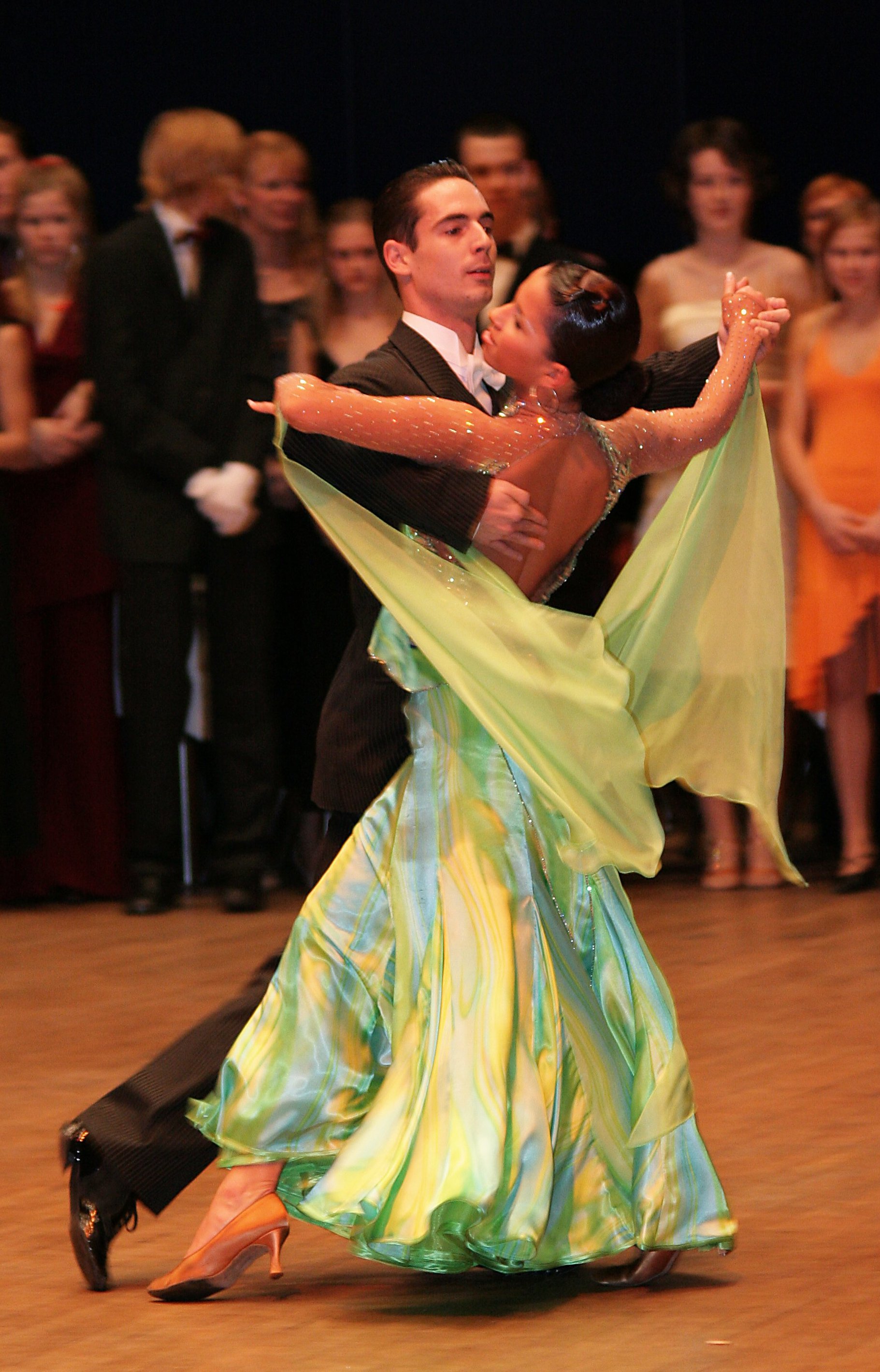
The third and most personalized way of learning dance is by engaging a private instructor for one-on-one instruction. This option offers you the flexibility to bring your dance partner, if you have one, to the lessons. It also allows you to define and focus on your goals, giving you full control over your learning experience.
Private instructors are usually not affiliated with franchises and tend to teach as casual contractors at independent studios. Many franchise studios do not allow private instructors (not contracted or employed by the studio) to teach. The variety of teachers' backgrounds will vary—from the recently minted and aspiring teacher who has been trained for a few weeks at a franchise studio, an active DanceSport competitor, up to a former top world champion who is now making the rounds as a much sought-after adjudicator and guest lecturer.
Lessons with private teachers tend to be on an "at-will" basis. Though they will vary in experience, sophistication, and ability, you might think of them collectively as contract teachers. In the same way, the amount they charge for lessons will vary depending on what the local market can bear. Look for private instructors who are professional in their demeanor, can explain complex dance concepts in straightforward terms, and have great patience.
You will want somebody who can talk to you in the way you tend to learn things. Some teachers are excellent at defining movement in concrete mechanical or technical terms ("the flexion at your knees should not exceed forty-five degrees relative to the floor's surface"). Others tend to speak in analogy ("Imagine you are embracing something like a beach ball"). Still, others may speak metaphorically ("feel the energy through your center and try to harness your connection with the floor"). Knowing a private instructor's "teaching language" will help prevent misconstructions and unnecessary frustration.
Finally, it's crucial to find a private teacher who can align with your dance goals. Whether you aspire to learn various dance styles or aim to become an exceptional dancer, it's essential to find an instructor with the necessary skills and experience to guide you. This alignment will give you the confidence that you're on the right path to achieving your dance aspirations.
Conclusion
Conclusion
There are three ways to approach learning ballroom dancing. Each one is not necessarily better than the other. Your schedule, your goals, and your budget will drive the choice. Nonetheless, remember that after choosing one route, you can always switch to another if you find your path is not working for you.